• Born-electric SV uses 10 per cent recycled materials; 85 per cent of its materials can be recycled at the end of its life 
  • Plans for Xiangtan manufacturing facility to operate on 100 per cent renewable energy 
  • Closed-loop water recycling system reduces freshwater dependency by 75 per cent 
  • Over 95 per cent of production waste is recycled, including metal scraps and battery materials 
  • More than 60 per cent of components are sourced from within a 500 km radius 

London, United Kingdom; 28 October 2025: The all-new born-electric Farizon SV large van, distributed in the UK by Jameel Motors UK, delivers a sustainable solution for customers, with environmental factors playing a significant part in the vehicle’s development and production.  

In its construction, the SV uses 10 per cent recycled materials, while 85 per cent of its materials can be recycled at the end of its life, and 95 per cent are recoverable. Out on the road, the use of high-strength steel and hybrid aluminium-steel materials in the chassis and body, along with the innovative drive-by-wire platform, helps reduce weight by eight per cent, which provides gains in energy conservation and operational efficiency. 

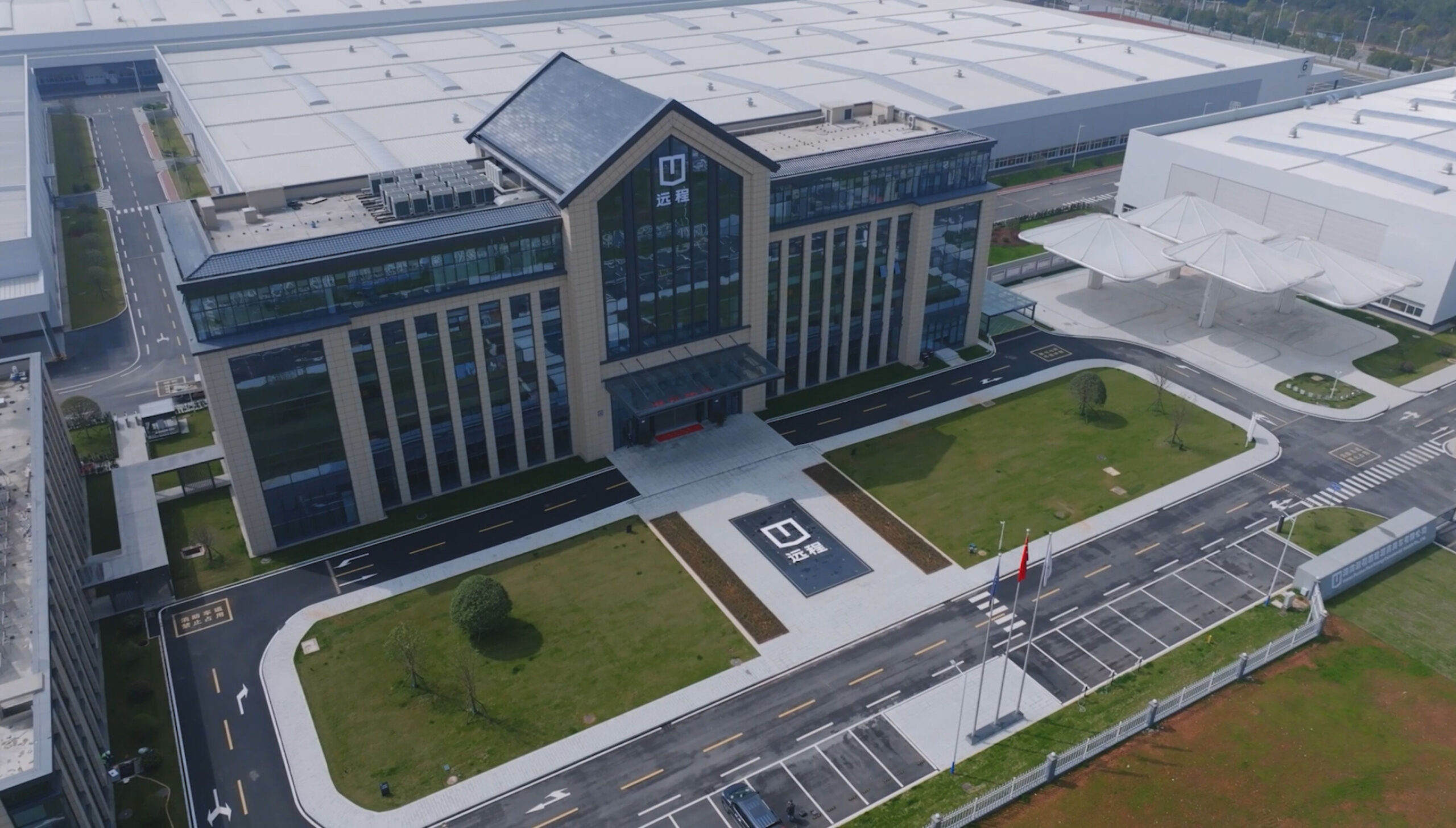
In addition to these significant advances, a large part of Farizon’s environmental focus has been spent on low carbon manufacturing. Located in the Xiangtan Economic Development Zone in Hunan, China, Farizon’s flagship manufacturing facility has been created to be a global benchmark for carbon-neutral commercial vehicle production.  

Designed from inception as a zero-carbon factory, the base plans to operate on 100 per cent renewable energy, primarily from solar and wind, with on-site generation capacity exceeding 40 per cent of total consumption. Its closed-loop water recycling system reduces freshwater dependency by 75 per cent, while AI-optimised logistics networks cut ancillary emissions by 30 per cent. Every SV produced at the facility embeds sustainability across its lifecycle, aligning with EU Green Deal objectives and circular economy mandates. 

Circular production and material innovation 
Farizon’s manufacturing ethos prioritises cradle-to-cradle principles. Over 95 per cent of production waste is recycled, including metal scraps, plastics, and battery materials, far surpassing the EU’s end-of-life directive requirements. Paint shops utilise water-based coatings with near-zero volatile organic compound (VOC) emissions, and welding lines deploy laser-brazing to eliminate lead-based solder. Interior components feature ocean-recycled plastics and certified organic fabrics, reducing virgin resource use by 50 per cent. SV production also leverages a digital twin system to simulate energy use, ensuring each van’s carbon footprint is tracked and minimised. 

Sustainability extends beyond the Xiangtan facility itself. The plant enforces a Green Partner Certification for all Tier One suppliers, mandating ISO 14001 compliance and carbon disclosure. Over 60 per cent of components are sourced from within a 500 km radius, and electric inbound logistics further reduce emissions. Community initiatives include a battery regeneration hub that refurbishes used EV packs for solar farms, and a training centre that upskills workers in circular-economy manufacturing techniques. 

Cook Xue, CEO of Farizon Auto International Company, said: “Environmental considerations are rightly key for both large fleet operators and individual tradespeople when deciding which all-electric van is right for them. We’ve worked hard from the outset to ensure the new Farizon SV van features sustainability at its core, whether that’s in sourcing components from a localised supply chain, implementing low carbon manufacturing techniques, or ensuring drivers benefit from exceptional efficiency. We have more work to do, certainly, but we are proud of the industry-leading advances we have made in minimising the impact of our operations and our products on our planet, and in supporting users around the world to transition to a more sustainable transport industry.”

By admin

Leave a Reply

Your email address will not be published. Required fields are marked *

You missed

South West homeowners face seven-day waits for urgent repairs as tradie shortages continue to bite Fix Radio analysis shows the South West is among the slowest regions for urgent fixes, while Plymouth records one of the longest city-level waits in the UK The South West records an average 7-day wait for an urgent tradie fix. Plymouth records one of the longest city-level waits in the dataset, at 10 days. Across the 17 cities surveyed, the average wait for an urgent fix is just over 6 days. CITB says the UK construction industry needs to recruit the equivalent of 239,300 extra workers between 2025 and 2029. Analysis from Fix Radio shows that homeowners in the South West are facing an average seven-day wait for an urgent tradesperson fix, placing the region among the slower parts of the UK for repair response times. Based on Fix Radio’s analysis of city-level urgent repair wait-time data from Markel Direct’s Censuswide survey of UK homeowners, the findings point to continued pressure on trades capacity, local demand and labour availability across the region. The national picture remains highly uneven. The East of England records the shortest average wait at three days, followed by the North East on four days, the North West on 4.5 days and London on five. Wales and the South East each average six days, Yorkshire and the Humber sits at 6.5, while the South West, West Midlands, Scotland and Northern Ireland all come in at seven days. At the other end of the scale, the East Midlands records the longest average delay at nine days, leaving a six-day gap between the fastest and slowest regional averages in the dataset. The research also found that 44% of homeowners have already delayed repairs because of the cost of hiring a tradesperson, while city-level data shows waits stretching as high as 10 days in Plymouth for urgent issues. That makes the South West one of the clearest examples of how regional pressure can build when local demand, household repair needs and labour constraints begin to overlap. Set against a construction workforce already under strain, the figures point to a region where availability remains a growing issue for both customers and tradespeople. CITB forecasts that the industry will need to recruit the equivalent of 239,300 extra workers between 2025 and 2029, with the UK construction workforce expected to reach around 2.75 million by 2029. From Fix Radio’s perspective, the findings reflect a wider story around availability, local demand and the challenge of keeping enough skilled people in the pipeline. Waiting times are not only a sign of homeowner frustration. They also show where order books are full, where capacity is tight and where the wider conversation around skills and recruitment is becoming harder to ignore. In the South West, where regional averages are already above the national benchmark and Plymouth stands out as one of the slowest locations in the dataset, that pressure is becoming increasingly visible. About Fix Radio Fix Radio, the Builders Station is the home of entertainment, music and information for UK tradespeople. Since 2017 the station has been built from the ground-up with tradespeople in mind, providing a mixture of authentic trade voices, up-beat music and a schedule designed around the tradesperson’s day. The station’s schedule includes some of the biggest talent in the industry, including social media influencers the Bald Builders, Clive Holland of the BBC and formerly Cowboy Trap, the country’s most famous plasterer Chris Frediani from DIY SOS, plumbing influencers Andy Cam and Todd Glister, decorators Joel Bardall and Todd Von Joel, electrician turned YouTuber Thomas Nagy, Roofer of the Year Danny Madden, carpenter, craftsman and social media influencer Robin Clevett. Broadcasting nationally on DAB since May 2022, Fix Radio has an average reach of 833,545 tradespeople each week. The Builders Station also boasts 27.9 average weekly listening hours. Fix Radio’s audience reach and listening hours are audited by Nielsen.