
Small businesses in the transport, distribution and logistics sector are entering the second half of 2026 with sustainability still in focus, but the operating environment has become more challenging. Volatile fuel costs, ongoing freight disruption and uncertainty following renewed tensions in the Middle East are making it harder for SMEs in the sector to keep momentum behind their sustainability plans.
Despite these challenges, research from Novuna Business Finance shows that sustainability remains a priority for the year ahead for 92% of SMEs in the sector. For many, this is now part of everyday thinking – 41% of the 1,000 small business owners surveyed by Novuna Business Finance say sustainability is core to their culture and planning, with practical measures already underway and a further 19% say they understand the issues but are constrained by time or money, reflecting the realities of running a business in a market with increasing cost pressures.
Even with clear intentions, businesses in the sector say external realities are making it harder to turn sustainability plans into action. Operational and market challenges were cited most often (44%), with rising energy and fuel costs (34% each) continuing to squeeze margins. 26% of those surveyed said economic pressures – particularly inflation and interest rates (30%) – are unsettling planning and investment decisions. And with 17% highlighting sustainable supply‑chain issues, many businesses in the sector are trying to keep sustainability plans moving in an environment that remains unpredictable.
The positive things the sector are doing
Despite these pressures, the sector is not stepping back. 96% of SMEs say one or more areas of sustainability have become more important than a year ago, and many are taking practical steps to reflect this. The most common actions include:
· Improving packaging‑waste policies and facilities (33%)
· Strengthening positive impact on the immediate community (33%)
· Being part of an ethical supply chain (20%)
· Investing in local suppliers and contractors (19%)
· Reducing energy use on premises (18%)
· Investing in new equipment and sustainable infrastructure (18%)
· Switching to greener forms of transport (16%)
· Strengthening recycling facilities (14%)
Where support could make a difference
Though they have shown that they are very good at making progress where they can, businesses in the sector can’t do it alone – and they were clear about what would help them go further. Almost one in three (28%) said that the UK Government could do more; calling on the country’s leadership, local authorities and industry bodies to share more simple and practical guidance (28%). Businesses also highlighted the need for clearer evidence of cost‑saving benefits (24%), tailored advice for small businesses (22%), and stronger commercial incentives — such as winning more business by being sustainable (27%) or avoiding the risk of losing business by not being sustainable enough (19%) – as areas where additional support could help drive further progress.
Net Zero targets
To put today’s pressures and support needs in context, there has also been a steady shift in how businesses in the transport, distribution and logistics sector approach sustainability. Since net‑zero targets were announced in 2019, 23% now carry out more practical sustainability actions day‑to‑day, 29% say their approach is largely unchanged and 19% say sustainability is more strategically embedded within their business culture, supported by a clear plan.
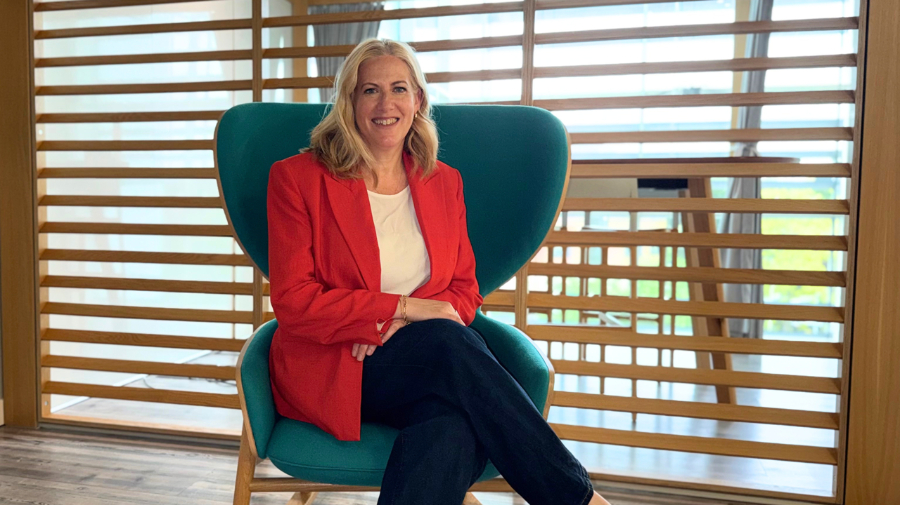
Jo Morris, Head of Insight at Novuna Business Finance, commented: “There is no doubt that as a sector, Transport, distribution and logistics businesses are facing global and domestic pressures. Rising fuel and energy costs, freight disruption and wider uncertainty are all putting pressure on day‑to‑day operations. Even so, these findings show that sustainability still matters to many firms in the sector who are working to incorporate green initiatives while balancing costs, running their fleet vehicles, and meeting the expectations and needs of customers and supply‑chain partners.
“Despite the challenges, several businesses in the sector say they are trying to keep their sustainability plans moving where they can, and some are building it more firmly into how they operate. These are steady, practical steps taken in a cost‑pressured environment, and they reflect the realities of a sector that must balance long‑term objectives with immediate operational demands.
“However, there is a clear acknowledgement that, while businesses are committed to making progress, further support from Government could help create the conditions needed to turn sustainability ambitions into action. They want straightforward guidance, clearer evidence of where savings can be made, and support that makes it easier to invest in more efficient equipment and vehicles. These are practical foundations that help firms act with confidence when margins are tight.
The research also shows how closely businesses in this sector stay connected to the expectations of their customers and communities. That closeness often shapes the decisions they make – and it remains one of the strongest drivers of practical change in transport, distribution and logistics.”