
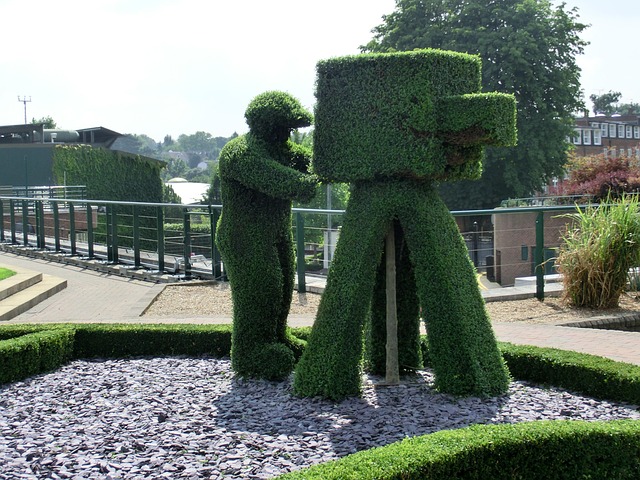
Wimbledon, the oldest and most prestigious tennis tournament in the world, has witnessed legendary battles, unforgettable upsets, and the making of champions. The Wimbledon Men’s Singles Final is the crown jewel of the Championships, where history is written in every ace, rally, and tiebreaker. From its first match in 1877 to the modern-day showdowns between tennis titans, the final has become a celebration of excellence, endurance, and elegance.
🎾 The Origins: 1877–1921 – The Challenge Round Era
The story of Wimbledon began in 1877, when Spencer Gore became the first men’s singles champion, defeating William Marshall in straight sets. The tournament originally featured a unique format known as the Challenge Round, where the reigning champion automatically qualified for the final, awaiting the challenger who emerged from the all-comers’ bracket.
During this era, William Renshaw reigned supreme, winning seven titles between 1881 and 1889—a record that stood for over a century. His aggressive serve-and-volley style captivated Victorian audiences and set the standard for generations.
Notable Champions of the Early Era:
-
William Renshaw – 7 titles (1881–1886, 1889)
-
Laurence Doherty – 5 titles (1902–1906)
-
Reginald Doherty and Arthur Gore – Multiple appearances and titles
-
Norman Brookes (Australia) – First non-British champion (1907)
🎾 A New Format: 1922 and Beyond – The Knockout Era Begins
In 1922, the Challenge Round was abolished. From then on, all players, including the reigning champion, had to fight their way through the draw. This format ushered in a more competitive and international era.
Key Highlights of the Interwar and Postwar Years:
-
Fred Perry: Britain’s last homegrown hero for decades, Perry won three consecutive titles from 1934 to 1936.
-
Don Budge and Jack Kramer: American stars who dominated the late 1930s and 1940s.
-
Lew Hoad and Rod Laver: Australian greats who took the 1950s and 1960s by storm. Laver remains the only player to win two calendar Grand Slams (1962, 1969).
🎾 Open Era Glory: 1968 to Today
The Open Era, beginning in 1968, allowed professional players to compete with amateurs, revolutionising tennis forever.
1970s to 1990s: Rivalries and Reinvention
-
Björn Borg: Claimed five consecutive titles (1976–1980), introducing baseline athleticism to grass courts.
-
John McEnroe: Known for his artistry and fiery personality, McEnroe broke Borg’s streak in 1981.
-
Boris Becker: Won in 1985 at age 17, becoming the youngest-ever male champion.
-
Pete Sampras: Dominated the 1990s with seven titles (1993–2000), with an unmatched serve-and-volley game.
🎾 Federer, Nadal, Djokovic: The Big Three Era
From 2003 to 2022, Wimbledon was largely defined by the iconic Roger Federer, Rafael Nadal, and Novak Djokovic.
Roger Federer:
-
Holds the record for most Wimbledon men’s singles titles (8): 2003–2007, 2009, 2012, 2017
-
Revered for his grace, precision, and grass-court mastery
Novak Djokovic:
-
Seven titles: 2011, 2014–2015, 2018–2019, 2021–2022
-
Famous for his mental toughness and comeback ability, including the legendary 2019 final against Federer
Rafael Nadal:
-
Although more dominant on clay, Nadal won Wimbledon twice (2008, 2010)
-
His 2008 final vs. Federer is widely considered the greatest match in tennis history
🎾 The New Era Begins: Carlos Alcaraz Shines
In 2023, Carlos Alcaraz stunned the tennis world by defeating Djokovic in a gripping five-set final, ending the Serbian’s reign and signalling the dawn of a new generation.
In 2024, Alcaraz repeated his triumph in a straight-sets victory over Djokovic (6–2, 6–2, 7–6), becoming the youngest player since Boris Becker to win back-to-back Wimbledon titles.
🏆 Wimbledon Men’s Singles Final: Champions List (2010–2024)
| Year | Champion | Runner-up |
|---|---|---|
| 2010 | Rafael Nadal | Tomáš Berdych |
| 2011 | Novak Djokovic | Rafael Nadal |
| 2012 | Roger Federer | Andy Murray |
| 2013 | Andy Murray | Novak Djokovic |
| 2014 | Novak Djokovic | Roger Federer |
| 2015 | Novak Djokovic | Roger Federer |
| 2016 | Andy Murray | Milos Raonic |
| 2017 | Roger Federer | Marin Čilić |
| 2018 | Novak Djokovic | Kevin Anderson |
| 2019 | Novak Djokovic | Roger Federer |
| 2020 | Cancelled (COVID) | — |
| 2021 | Novak Djokovic | Matteo Berrettini |
| 2022 | Novak Djokovic | Nick Kyrgios |
| 2023 | Carlos Alcaraz | Novak Djokovic |
| 2024 | Carlos Alcaraz | Novak Djokovic |
🏅 Most Wimbledon Men’s Singles Titles (Open Era)
| Player | Titles |
|---|---|
| Roger Federer | 8 |
| Novak Djokovic | 7 |
| Pete Sampras | 7 |
| Björn Borg | 5 |
| Boris Becker | 3 |
| John McEnroe | 3 |
| Andy Murray | 2 |
| Rafael Nadal | 2 |
| Carlos Alcaraz | 2* |
*Alcaraz’s tally expected to grow in coming years
💬 Why the Wimbledon Final Matters
The Wimbledon Men’s Singles Final is more than a sporting event. It’s a British cultural institution, watched by millions worldwide. From the all-white dress code to strawberries and cream, it blends tradition and modern sport, making it unique in the tennis calendar.
Whether it’s Federer’s elegance, Djokovic’s resilience, or Alcaraz’s raw explosiveness, the final continues to be the definitive measure of tennis greatness.
📈 Conclusion: A Legacy Still Growing
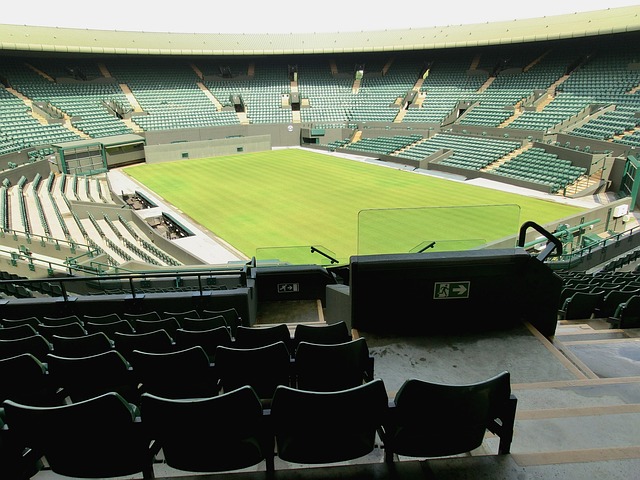
As we look forward to future finals at Centre Court, one thing is certain: Wimbledon will remain the cathedral of tennis, and the men’s singles final its most sacred rite. The baton may be passing to a new generation, but the echoes of history are always present.
From Gore to Alcaraz, the Wimbledon Men’s Singles Final has told a story of brilliance, transformation, and sporting immortality. And with each new champion, that story only grows richer.