
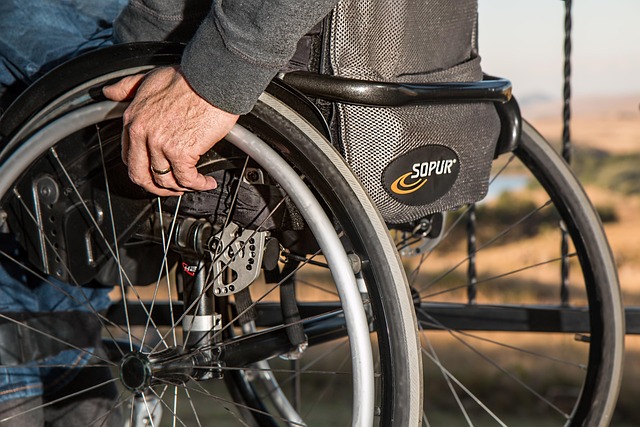
#AccessibleOutdoors Month 2025 is a national campaign that celebrates and promotes accessibility in nature and green spaces across the UK. Taking place throughout July 2025, this awareness month shines a spotlight on the importance of making the great outdoors welcoming, inclusive, and accessible for people of all abilities.
As more people seek the health, wellbeing, and social benefits of spending time outdoors, the campaign plays a vital role in raising awareness of barriers and encouraging positive action—from improving physical access to enhancing digital information and inclusive design.
What Is #AccessibleOutdoors Month?
#AccessibleOutdoors Month is an initiative led by accessibility advocates, charities, and environmental organisations across the UK. The campaign aims to:
-
Raise awareness of the barriers disabled people and those with limited mobility face in accessing nature.
-
Promote inclusive design in parks, trails, national heritage sites, and recreational spaces.
-
Celebrate progress by showcasing accessible outdoor projects, innovations, and personal stories.
-
Encourage collaboration among local councils, businesses, conservation groups, and the public.
Whether it’s through creating wheelchair-friendly trails, adding tactile maps, or improving wayfinding, the movement focuses on turning awareness into action.
Why Accessibility in Nature Matters
Access to the outdoors is more than just a leisure opportunity—it’s a basic right that supports:
-
Physical health: From gentle walking to active exploration, nature helps reduce obesity, improve cardiovascular health, and boost immunity.
-
Mental wellbeing: Time in green spaces lowers stress, anxiety, and depression—crucial for people living with chronic conditions or disabilities.
-
Social inclusion: Inclusive spaces enable people with disabilities to enjoy nature with their families, carers, and friends.
-
Environmental connection: Engaging with nature fosters a sense of stewardship and love for the environment.
Unfortunately, many outdoor spaces in the UK remain inaccessible due to uneven paths, lack of signage, steep gradients, or poor public transport links. #AccessibleOutdoors Month seeks to address this by uniting stakeholders to prioritise inclusivity.
2025 Campaign Theme: “Design for All”
This year’s theme, “Design for All”, focuses on universal design principles that benefit everyone—not just disabled individuals. Features like smooth paths, rest areas, visual contrast, and accessible toilets can improve comfort and safety for:
-
Wheelchair and mobility aid users
-
Parents with prams and young children
-
Older adults
-
People with visual or hearing impairments
-
Neurodivergent individuals
The campaign encourages planners and policymakers to consult disabled voices during the design and development process of outdoor environments.
What’s Happening Across the UK in July 2025?
Throughout July, events and initiatives will take place to support the campaign. Some highlights include:
🏞️ National Parks Open Days
Many UK national parks—including Lake District, Peak District, and Cairngorms—are hosting Accessible Open Days with guided sensory walks, mobility scooter hire, and nature therapy sessions.
🌿 Inclusive Trail Launches
New and improved accessible trails will be unveiled at key nature sites such as:
-
Sherwood Pines Forest Park (Nottinghamshire)
-
Kew Gardens (London)
-
RSPB Minsmere (Suffolk)
🎧 Digital Accessibility Tours
Organisations like Ordnance Survey and AccessAble are releasing virtual tours, audio guides, and updated accessibility information for public spaces.
🧑🦽 Community Workshops
Charities including Disabled Ramblers, Scope, and Sense are hosting workshops on:
-
Outdoor gear for people with disabilities
-
Navigation tips for accessible travel
-
Inclusive family activities
📸 #MyAccessibleAdventure Campaign
People are encouraged to share their experiences outdoors using the hashtag #MyAccessibleAdventure, to showcase inspiring stories and promote representation.
How You Can Get Involved
Whether you’re an individual, a business, or a public sector organisation, there are many ways to support #AccessibleOutdoors Month:
-
Audit your local park or green space for accessibility and suggest improvements.
-
Promote inclusive events via social media using hashtags: #AccessibleOutdoorsMonth, #DesignForAll, and #MyAccessibleAdventure.
-
Volunteer with local accessibility or conservation groups.
-
Fundraise for charities working to improve outdoor access.
-
Educate yourself on inclusive design principles and the lived experiences of disabled people.
Organisations Supporting the Campaign
Some of the UK organisations backing #AccessibleOutdoors Month 2025 include:
-
Disabled Ramblers
-
AccessAble
-
Fields in Trust
-
The Outdoor Guide
-
Rambler’s Association
-
The Sensory Trust
-
Scope UK
-
Natural England
-
Forestry England
Their collaborative work is helping build a future where everyone can enjoy the beauty and benefits of the great outdoors, regardless of physical ability or health condition.
Looking Ahead: Building a More Inclusive Outdoors
Accessibility is not a one-size-fits-all solution. It’s an ongoing process that requires listening, innovation, and investment. As #AccessibleOutdoors Month 2025 gains momentum, it’s essential to carry the message beyond July and into everyday planning, design, and community engagement.
Together, we can create a UK where nature truly belongs to everyone.