
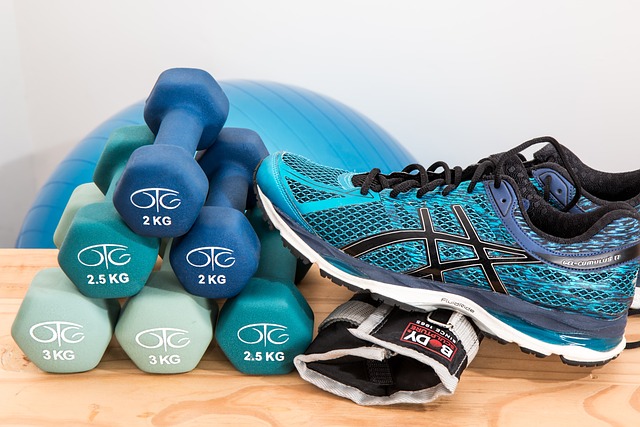
As the new year begins, it’s the perfect time to set fresh goals and focus on improving your health and fitness. Whether you’re just starting out or looking to re-energize your workout routine, this day-by-day guide will help you stay on track, build strength, improve stamina, and create sustainable habits for a healthier you.
Why a Day-by-Day Plan?
Consistency is the key to any successful fitness journey. A structured plan not only helps you stay organized but also provides clear milestones to track your progress. This guide gradually increases intensity, ensuring that you’re challenging yourself without risking burnout or injury.
Week 1: Building the Foundation
In the first week, the goal is to establish a routine and ease your body into physical activity. Focus on light exercises and stretches to wake up your muscles and build momentum.
- Monday: Start with a brisk 20-minute walk or light jog. Follow it with 10 minutes of stretching, targeting your hamstrings, shoulders, and back.
- Tuesday: Perform a bodyweight circuit of squats, push-ups, and planks. Begin with two rounds, focusing on proper form.
- Wednesday: Rest or engage in 15 minutes of yoga to improve flexibility.
- Thursday: Incorporate 20 minutes of cardio, such as running, cycling, or swimming, and add a core workout with planks and leg raises.
- Friday: Try a full-body strength workout with squats, push-ups, and side planks.
- Saturday: Get outdoors for a walk, hike, or light sport. Stretch afterward to keep your muscles loose.
- Sunday: Rest, reflect on your progress, and prepare meals for the week ahead.
Week 2: Strength and Cardio Focus
As your body adapts, gradually increase the intensity and duration of your workouts. Introduce more challenging exercises to build strength and endurance.
- Monday: Warm up with jumping jacks and arm swings, followed by two rounds of push-ups, squats, and planks.
- Tuesday: Go for a steady 30-minute walk or jog.
- Wednesday: Rest or practice yoga to help with muscle recovery.
- Thursday: Add step-ups, bent-over rows, and longer planks to your strength routine.
- Friday: Incorporate interval training with 1 minute of high-intensity effort followed by 2 minutes of low-intensity recovery.
- Saturday: Engage in a group or family activity like cycling or swimming to keep things fun.
- Sunday: Rest and recharge.
Week 3: Progressive Overload
This week focuses on increasing repetitions, intensity, or weights to ensure continuous progress. Push yourself but listen to your body.
- Monday: Perform three rounds of strength training, adding more repetitions or resistance.
- Tuesday: Run, bike, or swim for 25–30 minutes at a moderate pace.
- Wednesday: Rest or do mobility exercises such as foam rolling.
- Thursday: Challenge yourself with lunges, dumbbell presses, and longer planks.
- Friday: Try high-intensity interval training (HIIT) for cardio. Alternate 30 seconds of high effort with 1-minute recovery for 20 minutes.
- Saturday: Dedicate time to outdoor activities or sports for variety.
- Sunday: Take a rest day and review your progress so far.
Week 4: Challenge Yourself
As you approach the end of the month, introduce new exercises and extend workout durations to solidify your gains and test your limits.
- Monday: Combine cardio and strength by running for 15 minutes followed by two rounds of strength circuits.
- Tuesday: Push your endurance with a longer 35–40 minute run or bike ride.
- Wednesday: Focus on active recovery with yoga or a short, mindful walk.
- Thursday: Include advanced exercises like Bulgarian split squats, dumbbell rows, and side planks.
- Friday: End the workweek with a cardio challenge: 10 minutes of jogging, 10 sprints, and a cool-down.
- Saturday: Try a fun activity like a dance workout or recreational sport.
- Sunday: Rest, celebrate your progress, and set new goals for February.
Tips for Success
- Stay Hydrated: Drink at least 2–3 liters of water daily.
- Eat Balanced Meals: Fuel your workouts with a mix of lean protein, whole grains, and healthy fats.
- Prioritize Recovery: Quality sleep and rest days are essential for muscle repair and overall health.
- Track Your Progress: Use a journal or app to note improvements in strength, stamina, and mood.
The Takeaway
This January, take control of your fitness journey one step at a time. By gradually building strength, increasing endurance, and establishing a consistent routine, you’ll set a strong foundation for a healthier lifestyle. Remember, every small effort adds up to significant results. Stay committed, be patient, and enjoy the process—you’ve got this!