
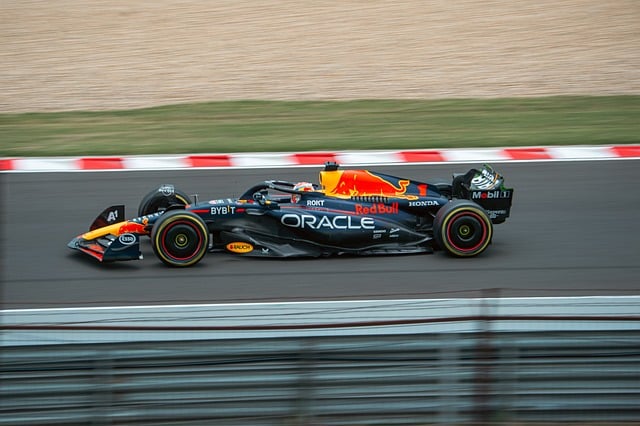
November 3, 2024 – The São Paulo Grand Prix delivered one of the most exciting races of the 2024 F1 season, as drivers battled through wet conditions, a crowded grid, and several race incidents. Max Verstappen’s incredible victory from 17th on the grid and a surprise double podium for Alpine made this race a standout, while championship contenders struggled to make an impact.
Verstappen’s Commanding Comeback
The race began with Max Verstappen at a disadvantage after receiving a five-place grid penalty due to an engine change, starting him in 17th position. Yet, with his characteristic skill and focus, Verstappen worked his way up through the field despite heavy rain and challenging track conditions. His performance was nothing short of masterful, finishing 19 seconds ahead of his nearest competitors and clinching his first victory since the Spanish Grand Prix.
This win extended Verstappen’s lead in the Drivers’ Championship to 62 points over McLaren’s Lando Norris, putting him in a strong position for his fourth world title with only three races remaining in the season. Verstappen’s determination and resilience once again underscored why he remains the driver to beat in Formula 1.
Alpine’s Impressive Double Podium
Esteban Ocon and Pierre Gasly provided one of the biggest surprises of the weekend by securing second and third places, respectively. In a race that saw numerous incidents and safety car deployments, the Alpine drivers skillfully navigated through the mayhem to achieve their first double podium finish of the season. For a team that has faced ups and downs throughout the year, this result was a significant morale boost and demonstrated their ability to capitalize on challenging race conditions.
Alpine’s performance not only delighted fans but also positioned the team as a serious contender for strong finishes in the remaining races of the season. Their success at Interlagos highlights the potential for Alpine to disrupt the Constructors’ Championship standings in the final races.
Challenges for Norris and McLaren
Lando Norris, who started the race from pole position, faced a difficult race, ultimately finishing in sixth place. The wet and unpredictable conditions seemed to hinder McLaren’s performance, widening the gap between Norris and Verstappen in the championship standings. With this result, Norris’s hopes of challenging Verstappen for the title appear dimmed, though he remains determined to finish the season on a high note.
Norris’s struggles were a stark contrast to his Sprint victory on Saturday, where he had looked like Verstappen’s strongest competitor. However, Sunday’s race emphasized the need for adaptability in ever-changing conditions—something Verstappen and Alpine managed to master more effectively than Norris and McLaren.
Race Incidents and Safety Concerns
The São Paulo Grand Prix was marked by several incidents, including multiple safety car interventions and a red flag following a severe crash involving Franco Colapinto. The heavy rain and low visibility added to the risk, testing drivers’ abilities to navigate safely in difficult conditions. Thankfully, Colapinto emerged from the crash unharmed, though the incident served as a reminder of the hazards inherent in the sport.
These incidents, combined with the rain-soaked track, led to a strategic race that favored experienced drivers and teams adept at managing wet-weather racing. Tire choices and quick pit stops became crucial as teams responded to the unfolding drama, adding a level of unpredictability that kept fans on the edge of their seats.
Impact on the Constructors’ Championship
The outcome of the São Paulo Grand Prix brought changes to the Constructors’ Championship standings. McLaren’s sixth-place finish allowed them to overtake Ferrari in the standings, marking a significant achievement as the season nears its end. Alpine’s impressive performance also injected fresh excitement into the mid-tier battle, as they aim to end the season on a strong note.
The Constructors’ Championship is still up for grabs, and with Alpine, McLaren, and Ferrari all vying for top positions, the final races of the season promise intense competition.
Final Thoughts
The 2024 São Paulo Grand Prix was a showcase of both strategic brilliance and driving talent. Verstappen’s comeback win underscored his dominance, while Alpine’s unexpected double podium demonstrated that anything is possible in Formula 1. As the teams prepare for the remaining three races, fans are left eagerly anticipating more thrilling battles and potential surprises.
With Verstappen inching closer to another title and Alpine making a bold statement in São Paulo, the excitement is far from over in this year’s F1 season.