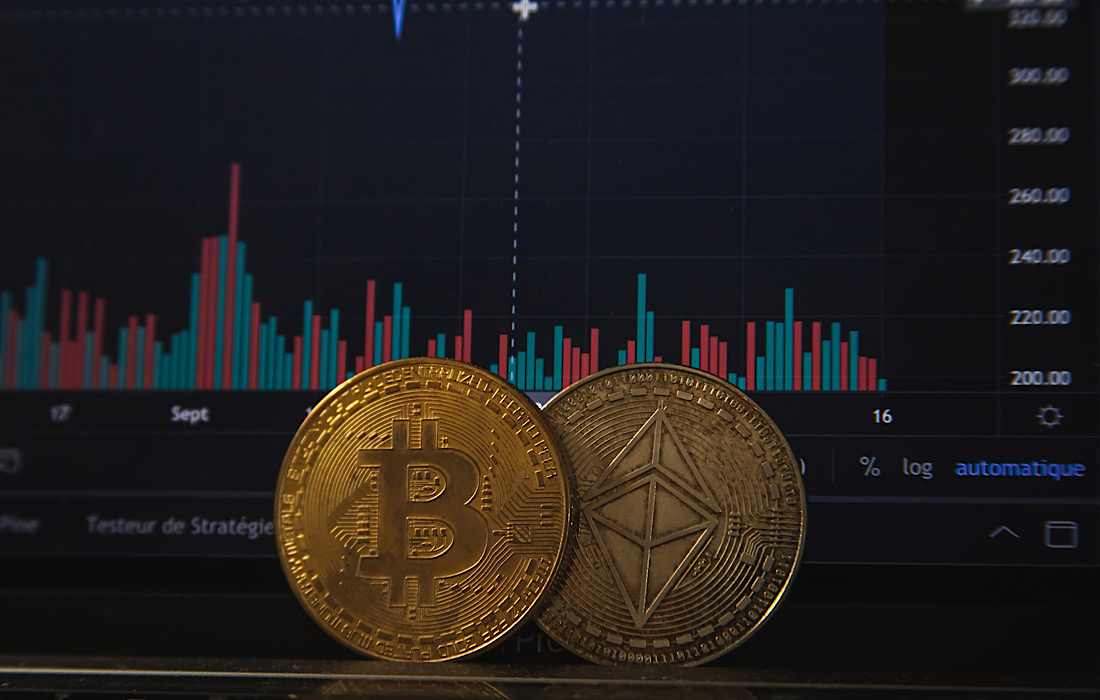
Fact File: The Sandbox Coin

The Sandbox Coin (SAND) is a digital cryptocurrency that operates on the Ethereum blockchain. Its primary purpose is to facilitate transactions and interactions within The Sandbox metaverse, a decentralized gaming platform built on blockchain technology. The Sandbox Coin is an integral part of the ecosystem, which allows users to create, own, and monetize their unique gaming experiences.

Launched in 2012 by game developer Pixowl, The Sandbox has gained significant popularity among gamers and blockchain enthusiasts alike. It offers a user-friendly interface that empowers players to design, build, and play their games within the platform. By integrating blockchain technology and non-fungible tokens (NFTs), The Sandbox has transformed gaming into a new era of ownership and economic opportunities.

The Sandbox Coin, or SAND, serves as the platform’s main utility token. It allows users to purchase virtual land, also known as “LAND,” within The Sandbox metaverse. LAND is a unique digital asset that represents a piece of the virtual world where players can build and monetize their creations. The ownership of LAND grants users full control over their virtual properties, enabling them to customize, sell, or lease them to other players. All transactions related to LAND, virtual assets, and in-game purchases are conducted using SAND tokens.

In addition to being a medium of exchange, SAND has several other use cases. It enables users to acquire NFTs, which represent unique in-game assets such as characters, items, and accessories. These NFTs can be bought, sold, or traded on various NFT marketplaces, allowing players to create a new economy around their creations. The Sandbox Coin also serves as a governance token, giving holders the ability to participate in platform-wide decisions and influence the development and direction of The Sandbox metaverse.

To acquire SAND tokens, users can participate in the platform’s various token sales, including public and private sales. These sales events provide an opportunity to purchase SAND at different stages of the platform’s development. Early investors may benefit from discounted prices and potential future growth of the ecosystem. After the initial token sale, SAND can be obtained through exchanges where it is listed, offering liquidity and accessibility to a wider range of users.

The Sandbox ecosystem continues to expand, attracting many collaborations and partnerships with renowned brands and game developers. Notably, The Sandbox has teamed up with Atari, the iconic gaming company, to recreate several Atari games as NFT-powered experiences within the metaverse. This collaboration not only brings beloved classics to a new generation of gamers but also highlights the potential of The Sandbox Coin as a catalyst for the future of gaming and blockchain integration.

As with any cryptocurrency investment, it is important to conduct thorough research and consider various factors before engaging with The Sandbox Coin or any other digital asset. Understanding the platform, its use cases, and its potential for growth is essential. Furthermore, as the cryptocurrency market is highly volatile, it is crucial to only invest what one can afford to lose.

In conclusion, The Sandbox Coin, or SAND, plays a central role in The Sandbox metaverse, empowering players to create, own, and monetize their virtual experiences. As a utility token, SAND facilitates transactions, enables ownership of virtual land and assets, and even serves as a governance token. Its integration of blockchain technology and NFTs brings a new level of ownership and economic opportunities to the gaming industry. While investing in SAND and participating in The Sandbox ecosystem can be exciting, it is vital to approach any investment with caution, conducting thorough research and considering the risks involved.

By admin

Leave a Reply

Your email address will not be published. Required fields are marked *

You missed

South West homeowners face seven-day waits for urgent repairs as tradie shortages continue to bite Fix Radio analysis shows the South West is among the slowest regions for urgent fixes, while Plymouth records one of the longest city-level waits in the UK The South West records an average 7-day wait for an urgent tradie fix. Plymouth records one of the longest city-level waits in the dataset, at 10 days. Across the 17 cities surveyed, the average wait for an urgent fix is just over 6 days. CITB says the UK construction industry needs to recruit the equivalent of 239,300 extra workers between 2025 and 2029. Analysis from Fix Radio shows that homeowners in the South West are facing an average seven-day wait for an urgent tradesperson fix, placing the region among the slower parts of the UK for repair response times. Based on Fix Radio’s analysis of city-level urgent repair wait-time data from Markel Direct’s Censuswide survey of UK homeowners, the findings point to continued pressure on trades capacity, local demand and labour availability across the region. The national picture remains highly uneven. The East of England records the shortest average wait at three days, followed by the North East on four days, the North West on 4.5 days and London on five. Wales and the South East each average six days, Yorkshire and the Humber sits at 6.5, while the South West, West Midlands, Scotland and Northern Ireland all come in at seven days. At the other end of the scale, the East Midlands records the longest average delay at nine days, leaving a six-day gap between the fastest and slowest regional averages in the dataset. The research also found that 44% of homeowners have already delayed repairs because of the cost of hiring a tradesperson, while city-level data shows waits stretching as high as 10 days in Plymouth for urgent issues. That makes the South West one of the clearest examples of how regional pressure can build when local demand, household repair needs and labour constraints begin to overlap. Set against a construction workforce already under strain, the figures point to a region where availability remains a growing issue for both customers and tradespeople. CITB forecasts that the industry will need to recruit the equivalent of 239,300 extra workers between 2025 and 2029, with the UK construction workforce expected to reach around 2.75 million by 2029. From Fix Radio’s perspective, the findings reflect a wider story around availability, local demand and the challenge of keeping enough skilled people in the pipeline. Waiting times are not only a sign of homeowner frustration. They also show where order books are full, where capacity is tight and where the wider conversation around skills and recruitment is becoming harder to ignore. In the South West, where regional averages are already above the national benchmark and Plymouth stands out as one of the slowest locations in the dataset, that pressure is becoming increasingly visible. About Fix Radio Fix Radio, the Builders Station is the home of entertainment, music and information for UK tradespeople. Since 2017 the station has been built from the ground-up with tradespeople in mind, providing a mixture of authentic trade voices, up-beat music and a schedule designed around the tradesperson’s day. The station’s schedule includes some of the biggest talent in the industry, including social media influencers the Bald Builders, Clive Holland of the BBC and formerly Cowboy Trap, the country’s most famous plasterer Chris Frediani from DIY SOS, plumbing influencers Andy Cam and Todd Glister, decorators Joel Bardall and Todd Von Joel, electrician turned YouTuber Thomas Nagy, Roofer of the Year Danny Madden, carpenter, craftsman and social media influencer Robin Clevett. Broadcasting nationally on DAB since May 2022, Fix Radio has an average reach of 833,545 tradespeople each week. The Builders Station also boasts 27.9 average weekly listening hours. Fix Radio’s audience reach and listening hours are audited by Nielsen.