
Royal Ascot: A Recent History of..
Royal Ascot is one of the most iconic horse racing events in the world, attracting thousands of visitors each year from all over the globe. Located in the picturesque town of Ascot, Berkshire in England, it is the perfect blend of history and modernity, where tradition meets modern-day glamour and sporting excellence.
The history of Royal Ascot dates back to 1711, when Queen Anne chose the area as a suitable location for horse racing. The first race was held on August 11th, 1711, and the event has been held annually ever since. In the early days, it was only a four-day affair, but over the years, it has grown in size and popularity, becoming a five-day event and attracting international attention.
This year marks the 310th anniversary of Royal Ascot, and it is set to be bigger and better than ever before. With a stellar lineup of races, fashion, and entertainment, there is something for everyone to enjoy. However, Royal Ascot has not always been the extravagant affair it is today. Let us take a journey through the recent history of Royal Ascot and see how it has evolved over time.
The Early Days
The early days of Royal Ascot were a far cry from the glitz and glamour of today’s event. In the 18th and 19th centuries, it was a largely local affair that attracted a small crowd of aristocrats and horse racing enthusiasts. The focus was on the sporting aspect of the event, and fashion was not a significant part of it.
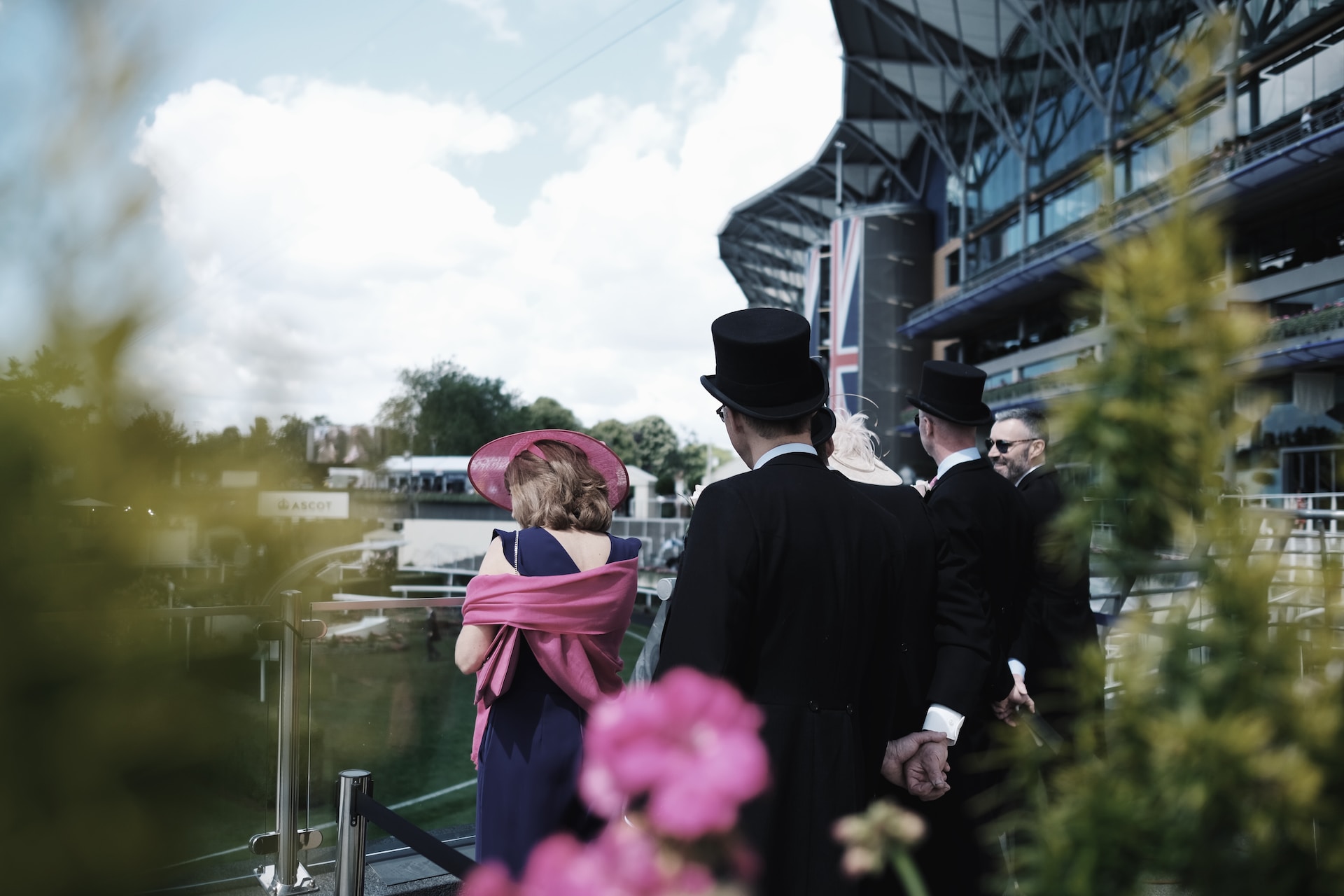
Royal Ascot became a more significant event in the early 20th century when it was attended by members of the royal family. King Edward VII, who was known for his love of horse racing, was a frequent visitor, and his presence drew more attention to the event. By the 1920s, Royal Ascot had become a fashionable event where attendees were expected to dress appropriately. The dress code was formal, with men in morning dress and women in long dresses and hats. However, it was still a relatively sedate affair compared to today’s event.
The Modern Era
The modern era of Royal Ascot began in the 1950s when the event was broadcast on television for the first time. This brought the event to a wider audience and helped to increase its popularity. By the 1960s and 1970s, Royal Ascot was attended by celebrities as well as members of the royal family, and fashion had become an essential part of the event.
In the 1980s, Royal Ascot underwent a significant change when the dress code was formalized. The rules were made clearer, and attendees were expected to dress appropriately. The dress code for men remained the same, but for women, there was a specific requirement for dresses to be of modest length, covering the knees, and with straps of at least one inch. This led to some controversy over the years, with attendees pushing the boundaries of what was considered acceptable dress.
In recent years, the dress code has been relaxed somewhat, with women now allowed to wear jumpsuits and trouser suits, as long as they are of a certain style and material. However, the focus on fashion has remained, with attendees competing to see who can wear the most striking and innovative outfit.
The Present Day
Todays Royal Ascot is a multi-faceted affair that combines sport, fashion, and entertainment. There are 18 races held over five days, with the highlight being the Gold Cup held on the third day. The event attracts some of the best horses from around the world and is a vital part of the international racing calendar.
Aside from the racing, the event is also known for its fashion. Attendees are expected to dress appropriately, with men in morning dress and women in formal daywear. There is a particular focus on hats, with many women choosing to wear elaborate, statement-making headpieces. Fashion is such an important part of the event that there is even a daily fashion show, judged by a panel of experts.
Entertainment is also a significant part of Royal Ascot, with live music and performances throughout the event. In recent years, there have been notable performances by artists such as Kylie Minogue and Tom Jones.
Conclusion
Royal Ascot has come a long way since its early days as a small, local horse racing event. Today, it is an extravagant affair that attracts visitors from all over the world and is an essential part of the social calendar for many. While the focus on fashion and entertainment may have changed over the years, the core values of the event remain the same. It is a celebration of sporting excellence, tradition, and a touch of glamour that makes it truly unique.