
- Ahead of , the World Avocado Organisation rounds up some of the most unexpected facts about avocados — from sleep and potassium to pregnancy, eye health and the fruit’s surprising origin story.
You probably already know that avocados are rich in healthy fats and endlessly versatile in the kitchen. But did you know there is far more to this fruit than toast and guacamole? Ahead of World Avocado Day on 31 July, the World Avocado Organisation is shining a light on some of the lesser-known facts behind one of the world’s favourite fruits — from emerging research on sleep and pregnancy to eye health, potassium and even the origin of the word “avocado”. Here are some of the most surprising things you may not know about avocados:
1) Did you know eating avocado during pregnancy has been linked to a lower risk of food allergy in babies?
A recent study found that maternal avocado consumption during pregnancy was associated with 44% lower odds of infant food allergy at 12 months. Researchers believe this may be linked to avocado’s nutritional profile, which includes fibre, folate and unsaturated fats, nutrients that can help support both maternal nutrition and early immune development.
2) Did you know one avocado a day may help support better sleep?
In a recent study, adults who ate one avocado daily for six months reported better sleep quality than those who rarely consumed avocados. Avocados contain nutrients such as tryptophan, folate and magnesium, which are involved in processes linked to sleep, relaxation and nervous system function.
3) Did you know half an avocado contains more potassium than a medium banana?
One serving of avocado provides 487 mg of potassium, compared with 422 mg in a medium banana. Potassium plays a key role in muscle function, fluid balance, circulation and normal blood pressure. Adding avocados to your weekly fruit bowl is a great ally for active lifestyles.
4) Did you know avocados can also support eye health?
Avocados contain lutein and zeaxanthin, two carotenoids associated with eye health and the protection of retinal tissue. This fruit’s natural fats also help the body absorb these compounds more effectively, making avocado a smart food for supporting vision as part of a balanced diet.
5) Did you know avocados are technically berries?
Botanically speaking, avocados are classified as berries, even though most people use them like a vegetable in salads, sandwiches and savoury dishes. They also grow on trees that can bear fruit for many decades, making them one of the more surprising fruits in the everyday kitchen.
6) Did you know the word “avocado” has ancient roots?
The name comes from the Nahuatl word ahuacatl, used by the Aztecs. It is one more reminder that the avocado is not a modern trend at all, but a fruit with a long cultural history stretching back centuries.
7) Did you know Hass is the avocado variety most widely recognised around the world?
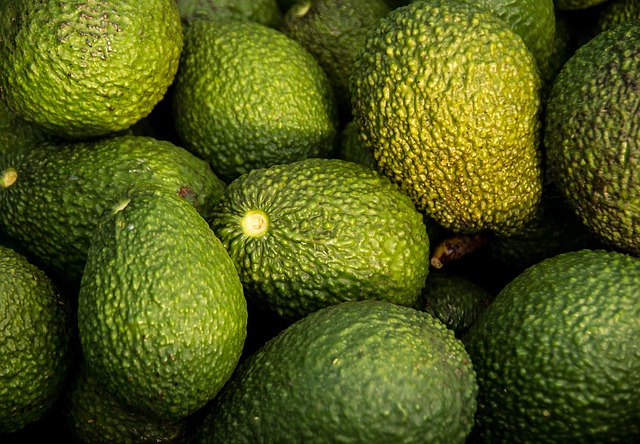
Hass is the most well-known avocado variety and the one most commonly found in supermarkets thanks to its taste, texture, ripening behaviour and transport suitability. However, it is just one of more than 500 avocado varieties grown around the world. Many producing countries are renowned for their green-skinned varieties, whose skin remains green as they ripen. As consumers continue to discover the avocado’s versatility in both sweet and savoury dishes throughout the day, appreciation for the wide range of varieties continues to grow.
8) Did you know avocados offer much more than healthy fats?
They also provide fibre, folate, potassium, vitamin K, vitamin E and other essential nutrients, making them one of the most nutrient-dense fruits around. That combination helps explain why avocados continue to stand out not just for taste and texture, but for the broader nutritional value they bring to everyday meals.
9) Did you know avocados can also be part of a more sustainable diet?
With water usage comparable to other fruit crops, and the lowest pesticide exposure across fruit and veggies and with increasingly environmentally conscious farming practices, avocados can be a sustainable and nutritious choice for consumers. Across the industry, growers are continuing to invest in advanced farming technologies, ethical practices and more responsible production methods to reduce environmental impact. Avocados can offer a more balanced option for consumers looking to make informed choices for both their well-being and the planet.
As World Avocado Day approaches, the World Avocado Organisation is inviting consumers to look beyond the usual avocado clichés and discover a fruit that can be used in a variety of different dishes that will continue to surprise. From emerging health research to their nutritional value and long cultural history, avocados are proving there is far more to them than meets the eye.